

The gender pain gap
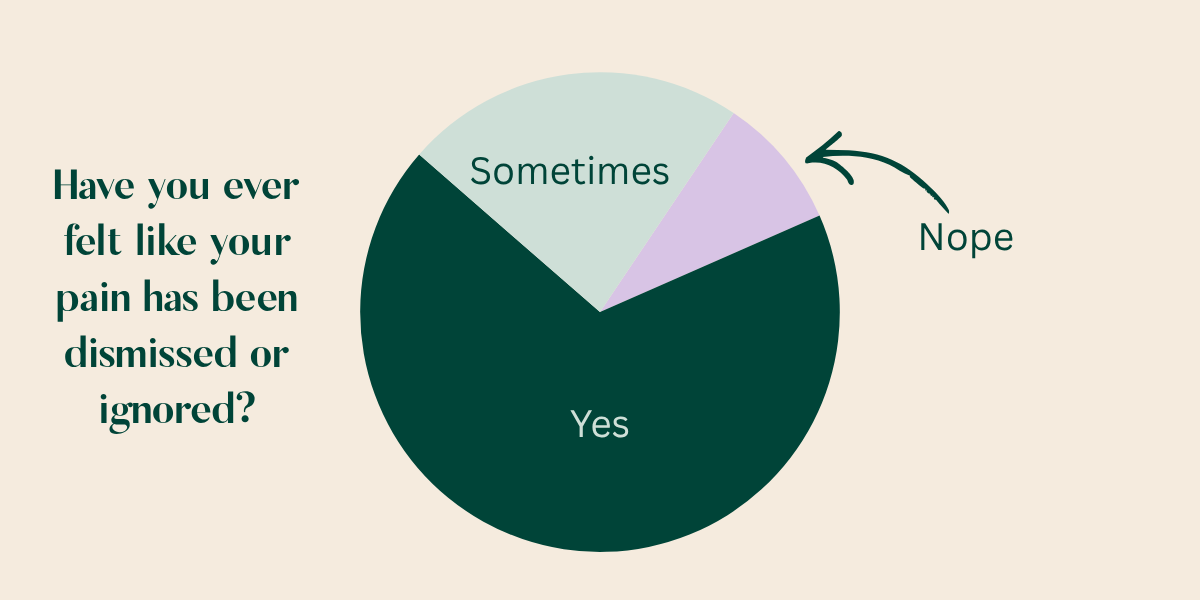
A recent poll of our readers showed that 91% felt their pain was often or sometimes ignored or dismissed. Nurofen’s latest Gender Pain Gap Index Report suggests that for a significant number of women, that experience is shaping how – and whether – they seek help at all.
What does the report say?
More than half of women say their pain has been ignored or dismissed, rising sharply to 73% among 18–24 year olds. But the impact doesn’t stop at that first interaction. Nearly half say it’s made them reluctant to seek medical help again, and over 35% report a loss of trust in the healthcare system. That sense of dismissal isn’t limited to clinical settings either – 28% of respondents say they’ve felt brushed off by family members and 25% by a partner or spouse.
Where are people turning instead?
When trust dips, people look elsewhere. Around three in four women who felt dismissed said they sought advice from unverified sources, and one in five turned to tools like ChatGPT. Social media is also playing a role, with 35% saying it has made them question their doctor’s advice. It points to a broader shift: when traditional systems feel unresponsive, alternative sources – even imperfect ones – start to fill the gap.
“We need everyone, from the NHS to brands to employers, to confront this issue and make improvements in the way women are supported. Nurofen’s Pain Pass is an example of a tool that provides women with practical support to communicate their pain.”
What’s behind this?
This isn’t a new problem. Research and reporting have repeatedly shown that women’s pain can be misunderstood or deprioritised. A recent UK study found women are receiving worse treatment for back and neck pain, with some researchers linking this to “male by default” clinical guidelines not understanding how pain presents in women. Conditions like endometriosis also highlight the gap, with many women reporting long delays to diagnosis and feeling dismissed when raising symptoms.
So what’s the lasting impact?
The ripple effects are bigger than a single appointment. When people feel dismissed, they’re less likely to seek help early or push for answers, which can delay diagnosis and treatment. That can affect everything from day-to-day wellbeing to longer-term health outcomes. Which is why it’s so important that women are able to have positive conversations with their doctors and feel listened to when they leave the appointment.
A few practical ways to feel more in control if you’re not being heard:
📝 Track your symptoms clearly – Nurofen’s free “Pain Pass” tool can help you track, record and articulate pain symptoms to support better conversations with healthcare professionals
🗣️ Be direct about impact – explaining how pain affects your daily life (sleep, work, movement) can help it be taken more seriously
👩⚕️ Ask for a second opinion – if something doesn’t feel right, it’s okay to speak to another GP or other healthcare professional like a pharmacist, or request a referral
🔍 Look for trusted sources – if you’re researching online, prioritise NHS guidance or established charities over social media alone